
The course
Skeletal anchorage — the update for digital techniques and optimal aligner & TAD combinations
Their small size allows mini-implants to be inserted in a variety of sites. Currently, the alveolar process is the most preferred insertion site. However, due to varying bone quality and the risk of root contact, the survival rate of implants inserted in the alveolar ridge still needs improvement. Other regions, such as the anterior palate and the mental region, provide much better conditions for TAD insertion, since the amount and quality of available bone is far superior.
Mini-implants with different types of abutments and connectors allow the construction of versatile and cost-efficient appliances for a large variety of orthopedic and orthodontic applications. Utilizing TADs in the anterior palate and the mental region eliminates the risk of root injury and takes the implants out of the path of tooth movement. The interchangeable abutment system integrates easily into orthodontic practice and allows treatment of cases that were previously difficult or impossible.
Integration of recent advances in digital technology — virtual planning of TAD installation, insertion guides, CAD-CAM design and 3D metal printing of orthodontic appliances — broadens the options significantly.
An increasing number of patients seek treatment with aligner therapy, yet bodily tooth movement is challenging when relying on aligners alone: long treatment times, high compliance demands, and the side effects of intermaxillary elastics such as anchorage-tooth shift, midline shift, arch rotation and transverse occlusal canting. To avoid this anchorage loss and the high demand on elastic wear, orthodontic mini-implants may be used.
The lecturer
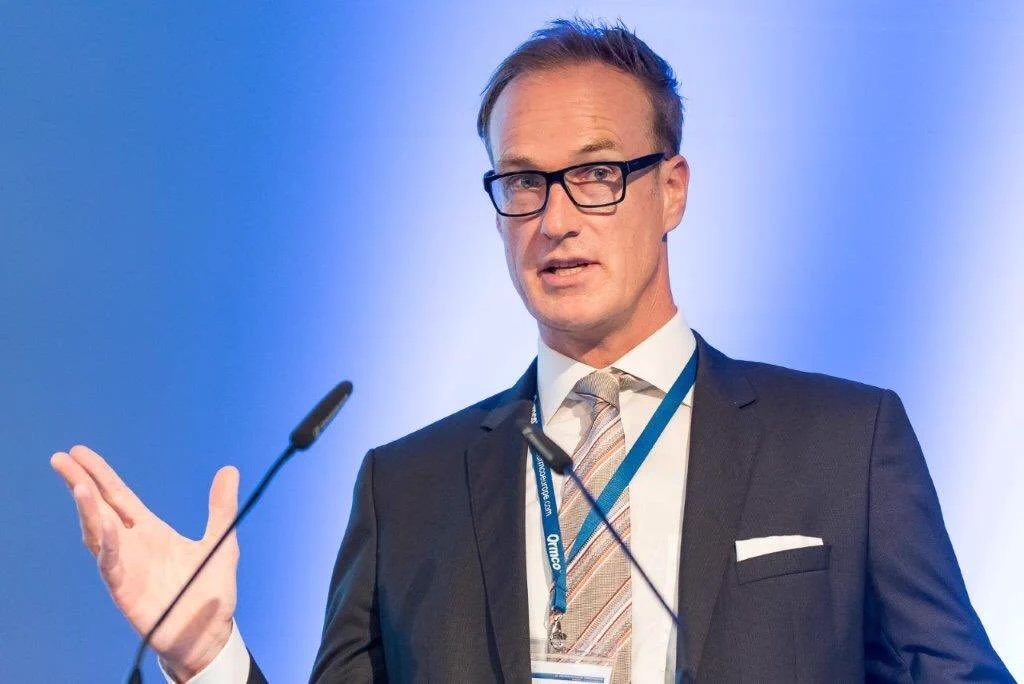
Prof. Dr. Benedict Wilmes
One of the most influential voices in skeletal anchorage, Prof. Wilmes is the developer of the Beneslider and the Benefit mini-implant system, and a leading authority on palatal TADs, digital insertion planning and CAD-CAM appliances. He lectures worldwide on combining mini-implants with aligner therapy to make complex tooth movements predictable.
Program
Two days of focused lectures
Day One
5 March 2027- 09:00 – 10:30
The rationale of using TADs in orthodontic practice
Direct and indirect anchorage
- 10:30 – 11:00
Coffee break
- 11:00 – 12:30
Lower molar mesialization
Mini-implants with abutments
- 12:30 – 13:30
Lunch
- 13:30 – 15:00
Upper molar distalization
- 15:00 – 15:30
Coffee break
- 15:30 – 17:00
Upper molar mesialization
Day Two
6 March 2027- 09:00 – 10:30
En-masse retraction
Rapid palatal expansion and early Class III treatment
- 10:30 – 11:00
Coffee break
- 11:00 – 12:30
Molar uprighting
Molar intrusion
- 12:30 – 13:30
Lunch
- 13:30 – 15:00
TAD insertion: rationale, biomechanics and case documentation
Beneslider design, indications and orthodontic application
- 15:00 – 15:30
Coffee break
- 15:30 – 17:00
Alignment of impacted teeth
Temporary pontics using TADs
Partners
Organized by
In collaboration with

Registration
Seats are limited — early registration is recommended
Barcelona · 5 – 6 March 2027 · Course language: English, with simultaneous translation into Spanish
Download the brochure (PDF)Early-bird until 31 October 2026
600 Euro + VAT
Registration fee
750 Euro + VAT
Phone & WhatsApp